
Programme
You can find the full conference program on this page. It provides an overview of all sessions, speakers, and schedules. Updates may occur as the event approaches.
 28 speakers
Session 1: Desired Future — “Shaping the Future: What Does AI-Readiness Look Like for Official Data and Statistics?”
Moderator: Georges-Simon Ulrich, Director General of the Swiss Federal Statistical Office
Objective: To develop a shared vision of what AI-readiness means for official data and statistics, and to identify the key elements needed to remain relevant in an AI- and platform-driven society.
Short impulse presentation by Ratko Mutavdzic, Senior Director, Worldwide Public Sector Government Industry, Microsoft on the future of data visibility and trust in the AI era.
Panel Discussion
- Raimonds Lapiņš, Director General of the Central Statistics Bureau of Latvia
- Tom Haas, Director General of STATEC (Luxembourg)
- Geir Axelsen, Director General of Statistics Norway
- Monica Brezzi, Deputy Director Statistics and Data Directorate of the OECD
- Ratko Mutavdzic, Senior Director, Worldwide Public Sector Government Industry, Microsoft
Session 2: Current Situation — Inside the ESS – “Where Do We Stand Today? Internal Perspectives on Dissemination, Redistribution and AI-readiness”
Moderator: Angelique Berg, Director General of Statistics Netherlands (CBS)
Objective: To reflect on the current state of dissemination and redistribution of official statistics of the European Statistical System (ESS) with a particular focus on AI readiness, examining internal practices, institutional challenges, and collaboration mechanisms.
Experience with the use of AI in dissemination (presentations by Eurostat, Denmark and Lithuania)
Group photo
Session 3: Current Situation — External Realities – “How Are Our Data Used and Governed in the age of AI? External Perspectives on Visibility, Access, Governance and Trust”
Moderator: David Smadja, Nexelen Consulting
Objective: To explore how European official statistics are currently accessed, governed, reused, and perceived by external actors — including platforms, AI systems, media, and civil society — and to identify where visibility and trust are at risk.
Presentation by the external expert Guillaume Bour, Vice President EMEA sales, Mistral AI.
Panel discussion
- Gerhard Andrey, Member of the Swiss Parliament, Green Party
- Giedrė Balčytytė, Member of the Lithuanian Parliament, Homeland Union – Lithuanian Christian Democrat Political Group
- Jennifer Banim, Director General of the Central Statistical Office Ireland (CSO)
- Markus Sovala, Director General of Statistics Finland
- Guillaume Bour, Vice President EMEA sales, Mistral AI
Session 3 (continued)
Panel discussion
Federal Councillor Elisabeth Baume-Schneider: Political framing of AI-readiness and its relevance for public trust and democratic accountability.
Session 4: Bridging the Gap — “Identifying What’s Missing”
Format: Breakout Workshops (3 groups in 3 workshops)
Objective: To identify the most critical gaps between the current state and the desired future of official data and statistics in the AI era. Participants will work in small, parallel groups to explore what is missing and what needs to change to move forward.
Breakout Topics:
Session 5: From Gaps to Action — “Sharing Insights and Building Alignment”
Moderator: Mariana Kotzeva, Director General of Eurostat
Objective: To consolidate the insights from the breakout workshops, identify cross-cutting themes, and begin shaping a shared roadmap toward the desired future.
Reporting countries: Poland, Spain, Portugal
Closing Session
- Georges-Simon Ulrich, Director General of the Swiss Federal Statistical Office
- Mariana Kotzeva, Director General of Eurostat
- Etienne Caruana, Director General of the National Statistics Office Malta
Including announcement of DGINS 2027
Meet Our Speakers
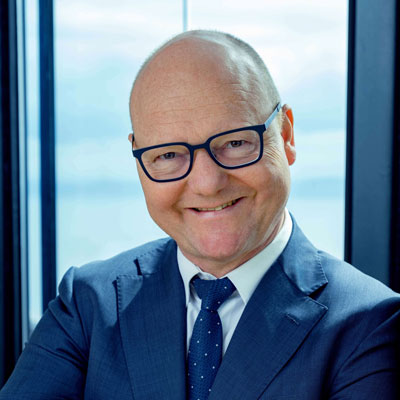
Georges-Simon Ulrich
Director General of the Swiss Federal Statistical Office
Prof. Dr Georges-Simon Ulrich was appointed Director General of the Federal Statistical Office (FSO) by the Federal Council on 1st October 2013. He studied Business Administration in Switzerland, the USA (University of Virginia, Darden Business School) and Australia, where he obtained his PhD at the University of Southern Queensland with a thesis on stakeholder management and communication. He is also Professor in strategic management and research methods at the University of Applied Sciences in Business Administration Zurich.
Between 1992 and 2010, Mr Ulrich worked as an entrepreneur, holding various management positions in market, social, and opinion research. From May 2011 to September 2013, he was Director of the LUSTAT statistical office in Lucerne. Georges-Simon Ulrich represents Switzerland on behalf of the FSO’s areas of responsibility (official statistics, data stewardship and data science) in various national and international committees at Eurostat, OECD and EFTA. From 2022 to early 2026, he served as a member of the Bureau of the United Nations Statistical Commission, and from 2024 to 2026, he served as its Chair.
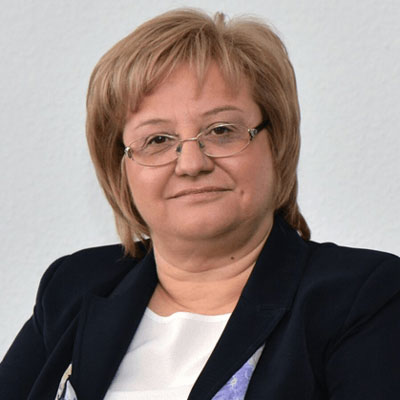
Mariana Kotzeva
Director General of Eurostat
Mariana Kotzeva was appointed Director General of Eurostat by the European Commission on 1 March 2018. She is the first woman at the helm of Eurostat.
Ms Kotzeva joined Eurostat as an Adviser Hors Classe to the Director General in 2012. Two years later, in 2014, she was appointed Deputy Director-General. Prior to joining the European Commission, Ms Kotzeva was the Head of Bulgaria’s National Statistical Institute.
She also held a number of high-level consulting posts in the Bulgarian and foreign administrations, and led international projects for the United Nations and the World Bank. Ms Kotzeva has a Master’s degree in economics and a PhD in statistics and econometrics. She also has an Executive Education training at Harvard Kennedy School. Ms Kotzeva is an Associate Professor of Statistics at the University of National and World Economy in Sofia, Bulgaria.
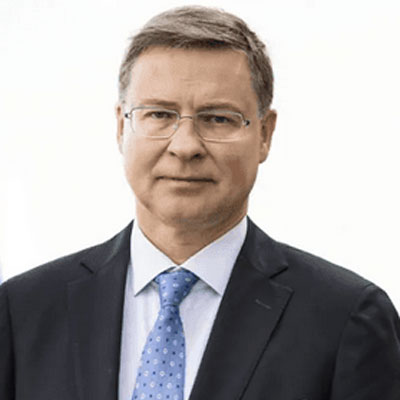
Valdis Dombrovskis
European Commissioner for Economy and Productivity, Implementation and Simplification
Valdis Dombrovskis has been the European Commissioner for Economy and Productivity, as well as Implementation and Simplification, since December 2024. His portfolio includes the coordination and implementation of the EU’s economic policies, as well as overseeing the reduction of administrative burden and ensuring better implementation of EU rules.
From 2019 to 2024, he served as the Executive Vice-President of the European Commission responsible for An Economy that Works for People and was also in charge of Trade. He previously served as Vice-President of the European Commission from 2014 to 2019, overseeing the Euro and Social Dialogue, as well as Financial Stability, Financial Services, and the Capital Markets Union.
He is Latvia’s longest-serving head of government with three terms as Prime Minister (2009–2014). He has also been Finance Minister, Member of the Latvian Parliament and European Parliament.
Before politics, he was the Chief Economist at the Bank of Latvia, as well as a research assistant at Mainz University, the Institute of Solid-State Physics in Latvia and University of Maryland.
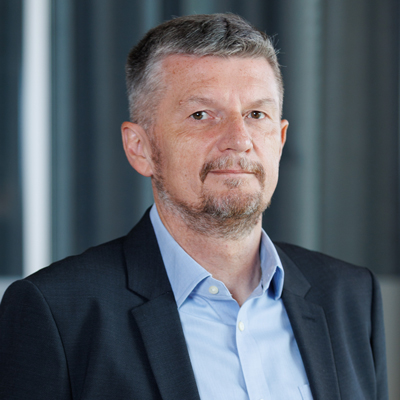
Ratko Mutavdzic
Senior Director, Worldwide Public Sector Government Industry, Microsoft
Ratko Mutavdzic is Worldwide Public Sector Government Industry Director at Microsoft, where he has held leadership roles delivering solutions for customers and partners. He began his career in consulting before leading sales and technology teams. Today, he heads Microsoft's Industry Advisory practice, guiding governments and enterprises on cloud computing, artificial intelligence, data science, cybersecurity, and cyber resilience. His team helps organizations adopt these capabilities through cloud platforms and shapes the methods and frameworks behind more efficient and resilient government and enterprise environments.
An active voice on innovation, Ratko has published papers on technology, written well-received blogs on change and transformation, and engages across professional networks exploring new ways to share and innovate. He holds an M.Sc. in Electrical Engineering from the University of Zagreb and an MBM from the Kelley School of Business, Indiana University. He is a Ph.D. candidate in Global Security and Economics at the University of Zagreb.
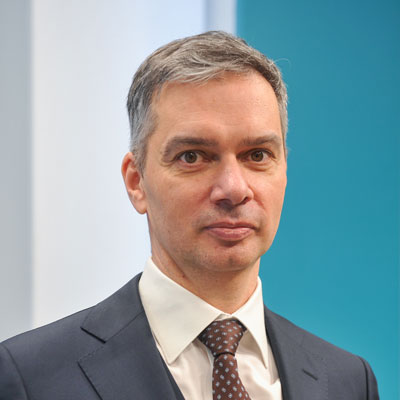
Raimonds Lapiņš
Director General of the Central Statistics Bureau of Latvia
Raimonds Lapiņš has been Director General of the Central Statistical Bureau of Latvia since 2024. With extensive experience in public administration, international cooperation, and financial management, he prioritizes a user-centred approach to developing robust data frameworks that enable more effective and sustainable policymaking. Raimonds is also a strong advocate of AI as a transformative force for official statistics, with a forward-looking view that much of what we know about IT today may quickly become yesterday’s news. This perspective shapes the CSB’s move from traditional statistical dissemination towards a more proactive role in ensuring that official statistics remain visible, trusted, and usable in AI-enabled information environments, safeguarding their public value and relevance in a rapidly changing digital society.
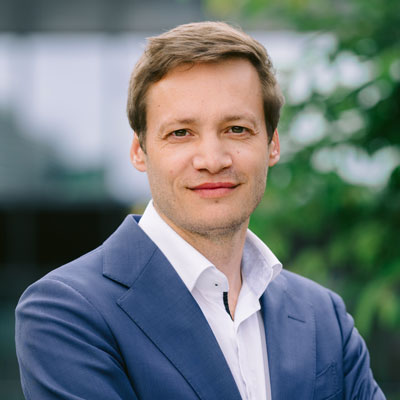
Tom Haas
Director General of STATEC, Luxembourg
Tom Haas has been Director of STATEC, Luxembourg’s National Institute for Statistics and Economic Studies, since November 2024. He heads the institution responsible for producing official statistics, economic analyses, studies and economic forecasts that inform public and private decision-making in Luxembourg, whilst ensuring the scientific independence and neutrality of the country’s statistical work.
A recognised specialist in economic, social and environmental analysis, macroeconomic modelling and economic forecasts, Tom Haas has over fifteen years’ experience at STATEC. He began his career as a research officer in the ‘Studies, Forecasts and Research’ and subsequently the ‘Modelling and Forecasting’ units, where he contributed to the development of economic analyses and forecasting tools used to evaluate public policies and monitor the Luxembourg economy. In 2020, he was appointed Head of the ‘Modelling and Forecasting’ unit before taking over, in 2023, as Head of the ‘Economic Conditions, Modelling and Forecasting’ department and joining STATEC’s Executive Committee. In this capacity, he has represented the institution before numerous national and international bodies, notably in the context of the work of the Tripartite Commission and the Economic and Social Council, as well as before international organisations such as the European Commission, the OECD and the IMF.
Tom Haas holds a Master’s degree in Modelling and Econometrics from the University of Montpellier. He is also a graduate of the National School of Statistics and Economic Administration (ENSAE Paris), where he obtained a Diploma in Statistical Economics, and holds a master’s degree in international economics from the University of Paris 1 Panthéon-Sorbonne.
Under his leadership, STATEC is continuing its work towards a public statistics system that is more responsive, innovative and focused on making the most of data to serve citizens and decision-makers.

Geir Axelsen
Director General of Statistics Norway
Geir Axelsen has been Director General of Statistics Norway since 2018. Axelsen came from the position of Deputy Director General and Director of Finance and Governance at the Norwegian Labour and Welfare Administration (NAV). He has previously held the role of vice president in two units at the Norwegian energy company Statoil (now Equinor), and served as State Secretary (deputy minister) in the Norwegian Ministry of Finance and as Assistant Director General in the Ministry’s budget department.
Axelsen holds a master’s degree in economics from the University of Oslo and a master’s degree in public administration from Harvard University’s John F. Kennedy School of Government.
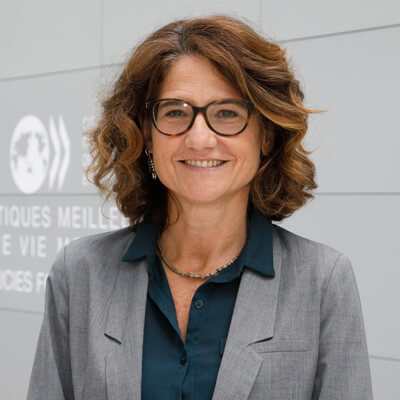
Monica Brezzi
Deputy Director Statistics and Data Directorate of the OECD
Monica Brezzi is Deputy Director in the OECD Statistics and Data Directorate (SDD). Before joining SDD in 2025, she held different positions at the OECD, the Council of Europe Development Bank, and the Italian Ministry of Economy, where she led international efforts to develop new metrics on policy issues related to trust in government, public investment and productivity, effective public services, regional and urban development.
She spearheaded the creation of the OECD Global Survey on Drivers of Trust in Public Institutions, a biennial survey in more than 40 countries to measure people’s perceptions and expectations on key public institutions in representative democracies.

Angelique Berg
Director General of Statistics Netherlands
Angelique Berg is since September 1, 2020, Director General of Statistics Netherlands.
Before that she was from January 1, 2015 Director General of Public Health at the Ministry of Health, Welfare and Sport. Angelique Berg was previously Director General for Tax Policy and Legislation at the Ministry of Finance, where she started her career in 1993. There she held various positions until her appointment in 2001 as Adviser of the Prime Minister at the Ministry of General Affairs (portfolio Economic Affairs, Transport, Water Management and Agriculture). In 2007, Angelique Berg moved to the then Ministry of Housing. There she worked respectively as Director Local Environmental Quality and Transport, and as Director Climate and Air Quality. Angelique Berg studied Public Administration and Finance at the Erasmus University in Rotterdam.
She lives in The Hague with her three kids.
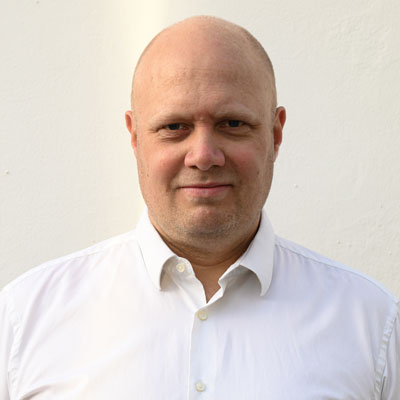
Martin Ulrik Jensen
Director General of Statistics Denmark
Martin Ulrik Jensen has been Director General of Statistics Denmark since December 2024. Prior to this appointment, he served as Deputy Permanent Secretary at the Danish Ministry of Finance.
As Director General, Martin is leading the continued modernisation of Statistics Denmark, with a strong focus on robust statistical production, digital transformation and long-term organisational resilience. He is committed to ensuring that official statistics remain a trusted foundation for evidence-based policymaking while reducing unnecessary complexity and strengthening cooperation across the European Statistical System.
Gita Literskė
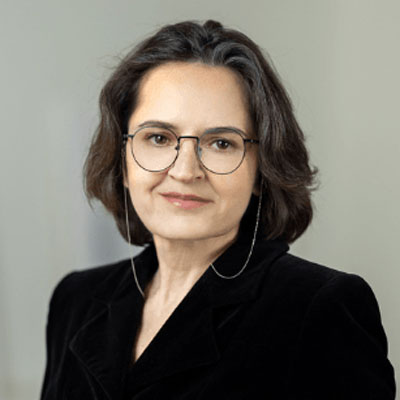
Deputy Director General of the State Data Agency (Statistics Lithuania)
Gita Literskė is Deputy Director General of the State Data Agency (Statistics Lithuania), where she is responsible for the strategic development and implementation of state data governance and stewardship. She holds a master’s degree in Sociology and advocates closer integration between official statistics and data governance to support more effective, evidence-based policymaking. She currently oversees several innovative projects, including the integration of state information resources into Lithuania’s national data lake, the modernisation of Official Statistics Portal services, the development of new digital solutions for administrative services, and the advancement of Lithuania’s health-data reuse framework.
Ioannis Xirouchakis
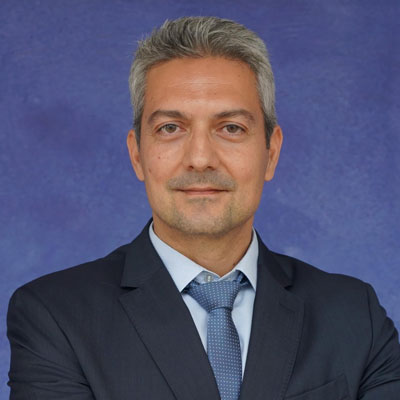
Head of Unit for Dissemination and User Relations, Eurostat
Ioannis Xirouchakis, PhD, is Head of Unit for Dissemination and User Relations at Eurostat, where he is helping shape how official statistics are communicated, discovered and used in the AI era. His work focuses on making trustworthy European statistics accessible to both people and AI systems, strengthening statistical literacy, and advancing innovative approaches to dissemination. He also leads statistical coordination within the European Commission. Previously, he worked across several statistical domains, including heading the team responsible for inflation statistics for the euro area and the European Union. Before joining Eurostat, he held management positions in international companies. He is a computer engineer by training and holds a PhD in Artificial Intelligence.
David Smadja
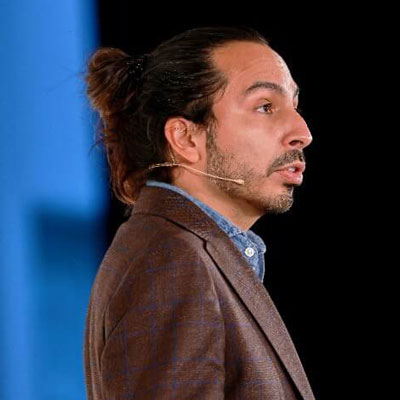
Nexelen Consulting
David helps executive teams navigate data-driven environments to accelerate growth and operational agility. Founder of Nexelen-Consulting, he brings over 15 years of corporate leadership experience, having orchestrated large-scale digital transformations at global organizations like Nestlé and McDonald’s Switzerland, where he served as CMO. Today, David advises C-suites on data-to-business models, automation, and AI integration. A multi-entrepreneur active in predictive AI and Web3, he is also the host of the "NeCXt: when Strategy meets Technology" podcast, where he interviews experts on how AI and data governance impact society.
Guillaume Bour
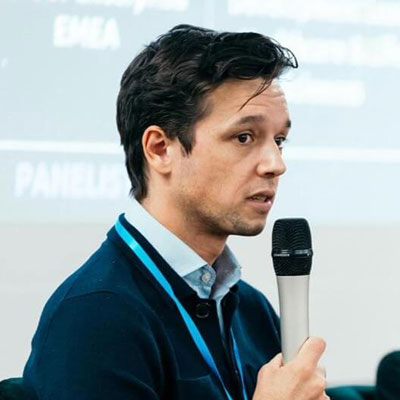
Vice President EMEA sales, Mistral AI
Guillaume Bour leads Mistral AI’s Go-to-Market strategy across Europe, helping enterprises transform with AI, Focusing on delivering customer outcomes and scalable AI transformation. Mistral's mission is to make frontier AI ubiquitous, and to provide tailor-made AI to all the builders. This requires fierce independence, strong commitment to open, portable and customisable solutions, and an extreme focus on shipping the most advanced technology in limited time.
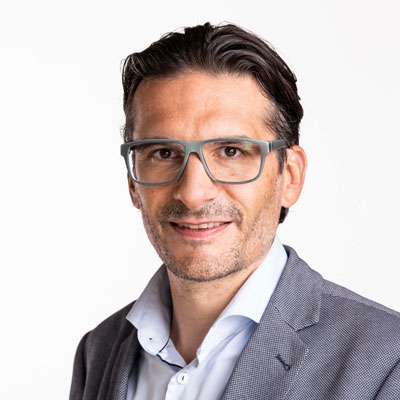
Gerhard Andrey
Member of the Swiss Parliament
Gerhard Andrey is a trained carpenter, wood engineer and postgraduate computer scientist.
He is co-founder of the digital agency Liip, with around 200 employees in six locations in Switzerland. Together with the musician Gustav, he founded the Akademie für aktuelle Musik Schweiz, which is dedicated to the extracurricular promotion of young talent in this field and which he now chairs. Among other roles, he serves on the board of directors of LerNetz AG and on the foundation boards of Seedcapital Fribourg and Applico.
Since 2019, Gerhard Andrey has been a member of the National Council of the Green Party of Fribourg. In 2023, he was officially nominated as candidate for the Federal Council. He is politically committed in particular to more digital sovereignty and a sustainable finance sector.
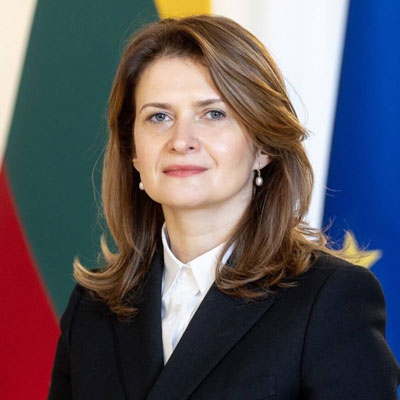
Giedrė Balčytytė
Member of the Lithuanian Parliament
Giedrė Balčytytė is currently a Member of the Lithuanian Parliament, serving on the Committee on Legal Affairs and the Committee on European Affairs.
As former Chancellor of the Government of Lithuania, she steered the work of the government towards evidence-based decision-making, leveraging real-time data in public policy and coordinating government activityacross sectors. To enable public sector transformation, she sponsored major legislative changes that transformed the Department Statistics into the State Data Agency and enabled the development of a State Data Lake, ensuring public sector access to integrated, cross-domain data. She also established the National Crisis Management Centre to coordinate responses to complex, cross-sectoral crises.
Earlier in her career, she served as Alternate Executive Director at the World Bank Group, led consultancy work on IT-enabled public sector reforms, and held several senior positions in the Lithuanian Government.
At DGINS 2026, she will share Lithuania's practical experience in transforming its data governance system and offer a policymaker's perspective on creating the conditions for AI adoption, evidence-based decision-making, and successful public sector transformation.
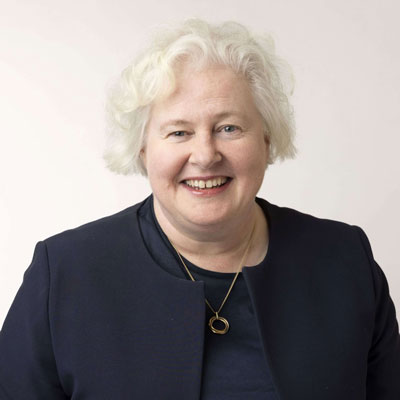
Jennifer Banim
Director General of the Central Staistical Office Ireland
Jennifer Banim was appointed Director General of the CSO on 31st May 2024. She had been a member of the CSO’s Management Board since 2013 and before her appointment as Director General, was the Assistant Director General at the CSO responsible for Economic Statistics. Having joined the CSO as a Statistician in October 1991, Ms Banim has worked in a number of areas including Balance of Payments and Financial Statistics, Statistical Methodology, and Technology. Ms Banim also sits on the Executive Board of the United Nations Economic Commission for Europe (UNECE).
Jennifer studied at Dublin City University, graduating in 1989 with a BSc in Applied Mathematical Sciences and recently completed a Diploma in Strategy Development and Innovation at University College Dublin’s Michael Smurfit Graduate Business School.
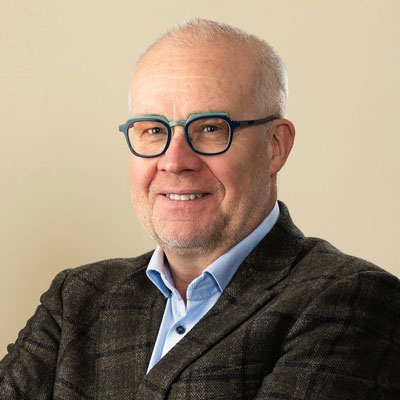
Markus Sovala
Director General of Statistics Finland
Dr. Markus Sovala serves as the Director General of Statistics Finland. Under his leadership, Statistics Finland has focused on enhancing micro data services, modernizing processes through digitalization and leveraging AI in the production and dissemination of statistics.
Before leading Statistics Finland, Dr. Sovala has held several high-level positions in the Finnish government and international organizations, including among others Ministry of Finance, Economic Policy Advisor to the Prime Minister, Finland’s Representative to the World Bank Group in Washington, D.C. and Vice President of the Board of DigiFinland Ltd. Director General Markus Sovala is active in the international sphere of statistics, and he is currently acting as the vice-chair of UNSC Bureau.
Sovala holds a Doctorate in Economics from the University of Helsinki. He also pursued studies in Economics at the University of Cambridge in the early 1990s.
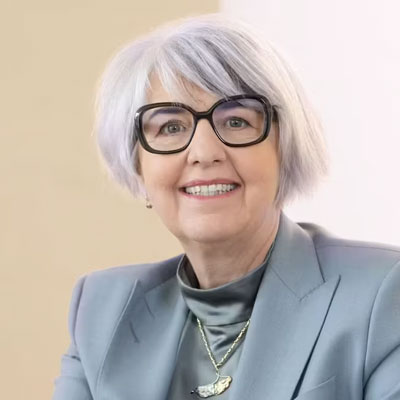
Elisabeth Baume-Schneider
Federal Councillor, Switzerland
Elisabeth Baume-Schneider (1963) is the head of the Federal Department of Home Affairs of Switzerland, to which the Federal Statistical Office belongs. She studied economics and social sciences at the University of Neuchâtel. She started her professional career as a social worker and entered politics in 1995 for the Social Democratic Party. After being elected to the cantonal government in 2002, she served as Director of Education, Culture and Sport for thirteen years. From 2016 to 2020 she directed the School of Social Work and Health (HETSL) in Lausanne. Prior to her election to the Federal Council in 2022, Elisabeth Baume-Schneider represented the canton of Jura in the Council of States of Switzerland.
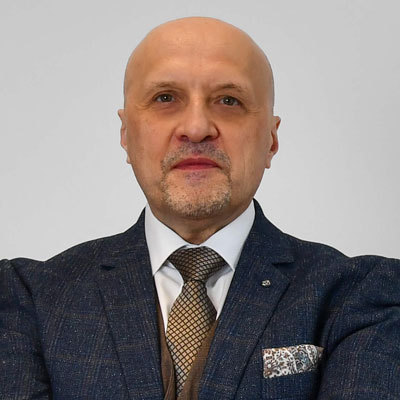
Marek Cierpiał-Wolan
President of Statistics Poland
Prof. Marek Cierpiał-Wolan earned his PhD in economic sciences in 1999 and completed his postdoctoral degree in 2023, also holding postgraduate qualifications in statistics. He served as Director of the Statistical Office in Rzeszów from 2008 to 2024 and became President of Statistics Poland in 2025. He is a professor at the University of Rzeszów, specializing in statistical inference and econometrics, with research interests in econometric modeling, big data, and data integration. His international experience includes fellowships and lectureships at universities in the UK, USA, China, and South Korea. He has led and participated in numerous research projects, including those on AI in official statistics and refugee health, and is actively involved in several European and UN statistical expert groups. Prof. Cierpiał-Wolan is a prolific author and editor, and plays leading roles in several scientific associations and editorial boards, contributing to the development of regional and international statistical communities.
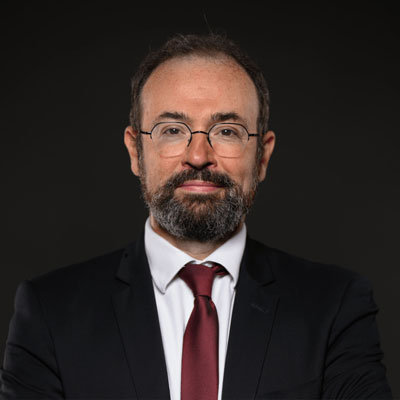
Fabrice Lenglart
Director-General of the National Institute of Statistics and Economic Studies (INSEE)
Fabrice Lenglart, a General Engineer in Statistics, Economics and Data : sur le site Insee en EN c’est toujours « administrator », has been appointed Director-General of the National Institute of Statistics and Economic Studies (INSEE) with effect from 30 June 2025. Prior to this, he had been head of the ministerial statistics department responsible for health and social solidarity policies (the Directorate for Research, Studies, Evaluation and Statistics – DREES) since 2020 and General Rapporteur for the reform of the universal activity income since 2019.
Fabrice Lenglart began his career in 1994 as a research officer in INSEE's Short-Term Economic Analysis Department, before spending time at the Centre for Research in Economics and Statistics (CREST). He has also held several senior management positions within the institute, heading the Economic Outlook Division, the National Accounts department and subsequently the Directorate of Demographic and Social Statistics. He also held various positions at the Directorate-General of the Treasury, within the office responsible for managing the national debt (now Agence France Trésor), and as head of the 'Health and Social Accounts', 'Pensions and Welfare' and 'Labour Market and Employment Policy' Units.
Fabrice Lenglart is a graduate of the École Polytechnique (class of 1989), a graduate of ENSAE, a holder of the agrégation in mathematics, and holds a Master's degree in philosophy from Paris I.

Jūratė Petrauskienė
Director General of the State Data Agency (Statistics Lithuania)
Dr. Jūratė Petrauskienė has served as Director General of the State Data Agency (Statistics Lithuania) since November 2019. She holds a PhD in Mathematics. In her role, she initiated Lithuania’s state data reform, introducing major legal and technological changes to data management across the institution and the public sector. Since 2024, she has been a member of the Council of Vilnius University. Dr. Petrauskienė is actively involved in the European Statistical System and the international statistical community. She is a member of ESAC, the International Statistical Institute, and the International Association for Official Statistics, where she serves as President-Elect for 2025–2027.
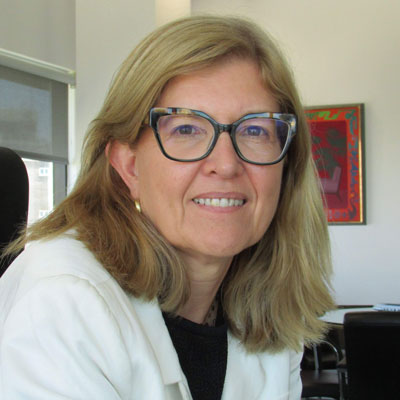
Elena Manzanera Díaz
President of the National Statistics Institute of Spain
Elena Manzanera Díaz, President of the National Statistics Institute of Spain. She holds the position of President of the NSI in Spain since August 2022. Graduate in Economics and Business Sciences from the University of Seville. She entered the Senior Statisticians Body of the Junta de Andalucía by competitive examination in 1994 and has a Doctoral program in “Methodology and Analysis of the Andalusian Economy” in the Department of Applied Economics II of the Faculty of Economics and Business Sciences of the University of Seville. She previously carried out a variety of functions at the Statistical and Cartography Institute of Andalucia, including the post of Director. She was Head of the Studies Service of the General Directorate of Andalusian Studies and head of the Tourism Planning and Analysis Service in the General Directorate of Tourism Planning.

Lidija Brković
Director General of the Croatian Bureau of Statistics
Lidija Brković has held the position of Director General of the Croatian Bureau of Statistics since 2019, leading the national statistical system and representing it internationally. Ms Brković previously spent more than ten years at the Croatian National Bank in expert and advisory roles in accounting and various statistical fields. She began her career in 2005 at the Ministry of Defence. Throughout her career, she has developed extensive expertise in public finance and statistics. She graduated from the Faculty of Economics & Business at the University of Zagreb and completed postgraduate studies in Financial Institutions and Markets. In recognition of her contributions, she was elected to the IAOS Executive Committee for the 2025–2027 term.
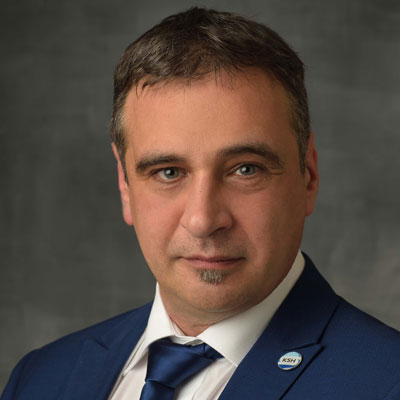
Áron Kincses
President of the Hungarian Central Statistical Office
Dr habil. Áron Kincses has served as President of the Hungarian Central Statistical Office (HCSO) since June 2023. He graduated in Mathematics and Physics from the University of Debrecen, earned a PhD in Earth Sciences from Eötvös Loránd University, and was awarded the title of Doctor of the Hungarian Academy of Sciences in 2023. He completed his habilitation at the University of Miskolc in 2025. Regarding his academic career, he is a full professor at the Institute for World and Regional Economics at the University of Miskolc, holds an honorary professorship at the Óbuda University and the Budapest University of Economics and Business, and teaches at several other Hungarian universities. His research interests include international migration, migration networks, and spatial statistical methods with applications to labour market and demographic processes. Prior to his presidency, he served as Deputy President of the HCSO and held several senior roles at the HCSO in areas such as living conditions, the labour market and agricultural statistics.
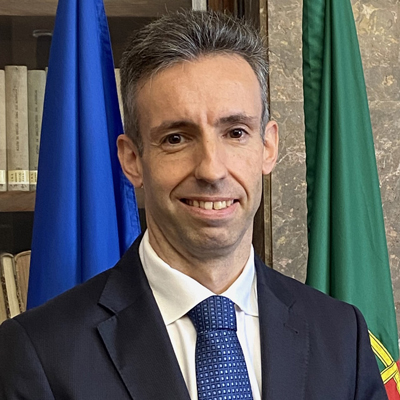
António Rua
President of the National Statistics Institute of Portugal
António Miguel Pinto de Oliveira Gomes Rua, President of the National Statistical Institute of Portugal, PhD in Economics from the Technical University of Lisbon, Master’s degree in Economics from Nova School of Business and Economics, and Bachelor’s degree in Economics from Nova School of Business and Economics. President of Statistics Portugal since November 2024. From 2014 to 2024, he was Chair of the Working Group for the Development of Macroeconomic Statistics of the Statistical Council. From 1999 to 2024, he worked in the Economics and Research Department of the Banco de Portugal, serving as Head of Unit in the Portuguese Economic Division from 2006 to 2024. Visiting Associate Professor at the Nova School of Business and Economics and Visiting Professor at Católica Porto Business School. He was also a Visiting Associate Professor at ISCTE Business School. From 2022 to 2024, he was a member of the Steering Committee of the Euro Area Business Cycle Network in collaboration with the Center for Economic and Policy Research. Author of numerous research articles published in international scientific journals.
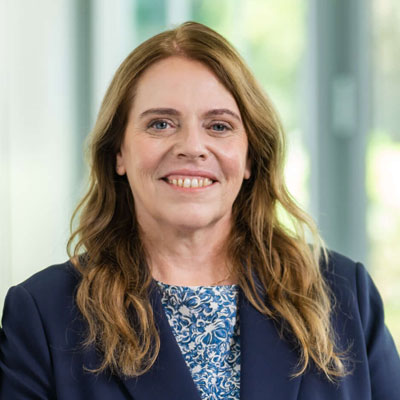
Manuela Lenk
Director General (Statistics) of Statistics Austria
Manuela Lenk has been Director General (Statistics) of Statistics Austria since September 2025. She studied Sociology and joined Statistics Austria in 2004 in the field of household budget surveys. She led the Census and Business Register Division and later the Department for Registers, Classifications and Geoinformation, helping strengthen Austria’s core data infrastructure.
During her subsequent tenure at the Swiss Federal Statistical Office, she served as Vice Director, Member of the Executive Board and Head of the Interoperability and Registers Division. Her work helped position the office as a national data steward, developing Switzerland’s central interoperability platform.
Lenk has actively contributed to the statistical community, representing both NSIs in key international bodies and helping modernize official statistics through data interoperability.
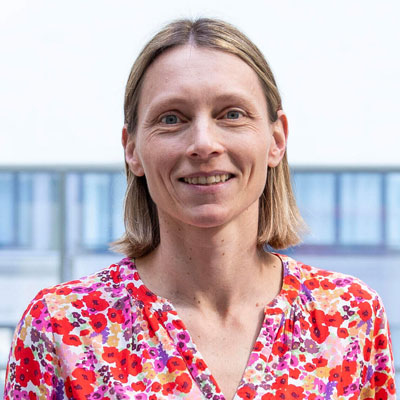
Marie Vandresse
Director-General of Statistics Belgium
Marie Vandresse holds a PhD in Political and Social Sciences, with a specialisation in demography, as well as a Master's degree in Economics. In 2008, she joined the Belgian Federal Planning Bureau. She initially worked in the Energy and Transport team, where she was responsible for developing long-term forecasts of transport demand in Belgium and analysing the impacts of transport policies. In 2014, she joined the Social Protection, Demography and Foresight team, where she was responsible for demographic projections. In this role, she studied changes in the components of population growth and their impact on future demographic trends in Belgium. She was also Belgium’s representative in Eurostat’s Working Group on Population Projections (WGPP). In 2024, she was appointed Director-General of Statistics Belgium.
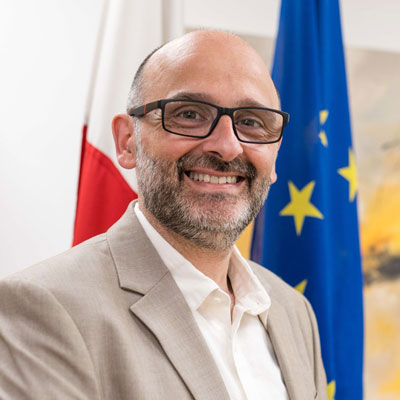
Etienne Caruana
Director General of the National Statistics Office Malta
Etienne Caruana currently serves as Director General of the National Statistics Office (NSO), a position he has held since May 2019. Etienne also serves as the officially appointed Census Officer, with responsibility for all activities related to the collection and processing of the Census of Population and Housing in Malta. He is also a member of the Board of Governors of the Malta Competition and Consumer Affairs Authority (MCCAA) and the Retail Price Index (RPI) Board. Etienne is also a visiting lecturer within the Faculty of Economics, Management and Accountancy at the University of Malta, and is currently pursuing a PhD at the Department of Sociology within the Faculty of Arts at the University of Malta, where his research focuses on the concept and measurement of poverty among seniors in Malta.